STRUCTURAL SCAPULOTHORACIC ABNORMAL MOTION (Structural STAM)
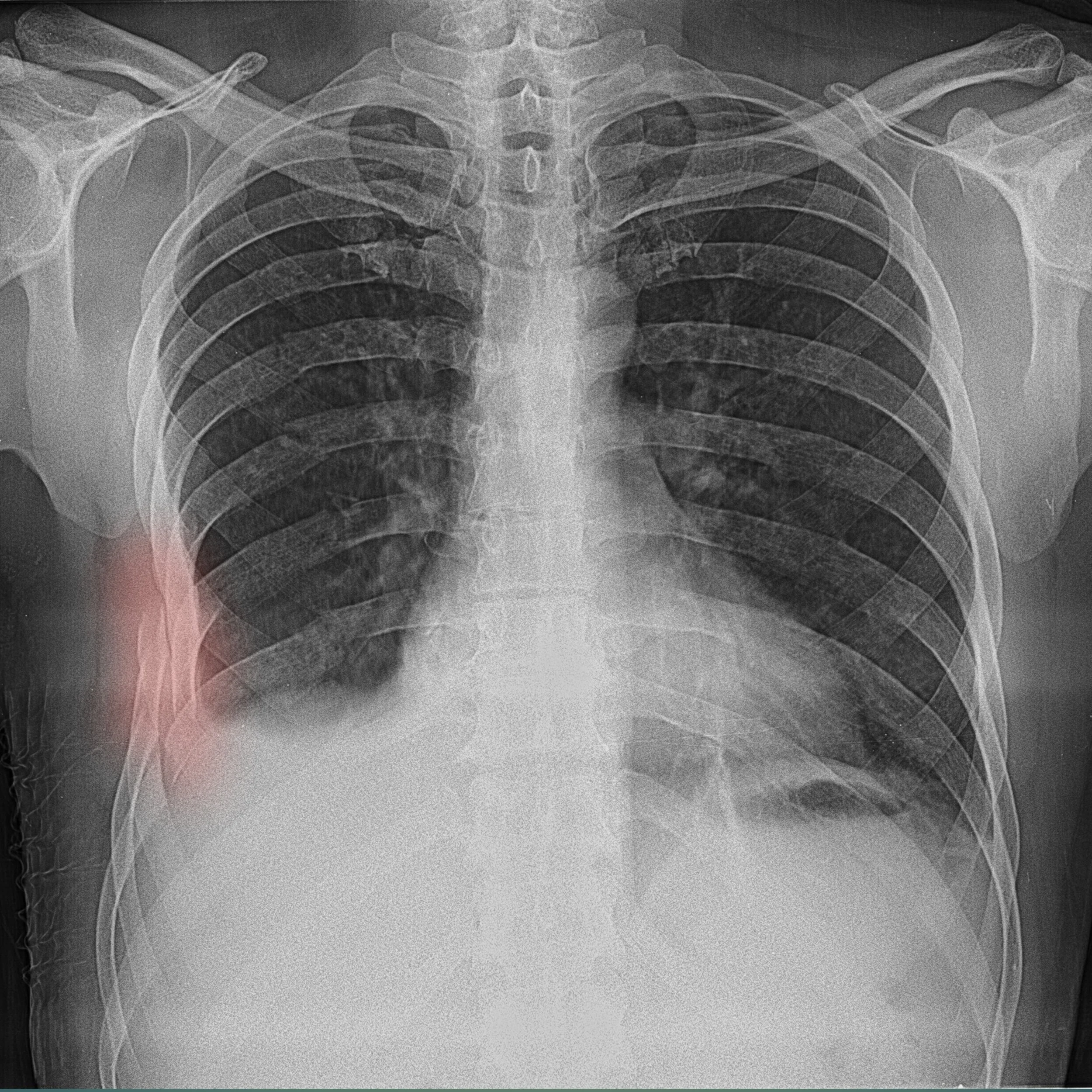
Overview
Dr. Kevin Wall provides specialized, fellowship-trained surgical treatment for Structural Scapulothoracic Abnormal Motion (STAM) to restore function and relieve pain for patients in Richmond, VA, and the surrounding Central Virginia communities. This condition is when the scapula (shoulderblade) cannot move normally on the chest wall. It should be able to glide over our ribs as we raise and lower and rotate our arm but this process relies on healthy muscle and normal bone.
Unlike Functional STAM which is a more of a muscle coordination issue, Structural STAM is when there is a discrete, identifiable problem. There is a tangible, anatomic defect preventing the shoulder blade from gliding smoothly against the rib cage. This mechanical blockage or loss of structural integrity results in painful grinding ("snapping scapula"), winging, or a physical inability to lift the arm. The goal of treatment is to identify the specific structural failure—whether it is a bony deformity, a joint incongruity, or a muscular dystrophy—and surgically repair or reconstruct it.
Bony & Joint Abnormalities
This category includes patients where the normal anatomy of the shoulder girdle has been altered, physically preventing smooth scapular motion.
Common Causes
Joint Instability: Chronic instability or arthritis at the AC (acromioclavicular) or SC (sternoclavicular) joints can force the scapula into a compensatory, abnormal motion pattern.
Clavicle Malunion: A collarbone fracture that healed in a shortened or crooked position can alter the strut that holds the scapula properly, leading to abnormal mechanics.
Rib or Chest Wall Deformities: Scoliosis, prominent ribs, or post-traumatic rib deformities can create a "bumpy road" for the scapula, causing clicking or snapping.
Osteochondroma: A benign bone tumor on the underside of the scapula or the rib cage that acts like a "speed bump," causing painful clunking.
Treatment Options
Treatment is highly individualized and targets the specific anatomic defect. It always begins with physical therapy, medications and possibly steroid injections. If those fail, then surgical options include, but aren’t limited to:
Scapulothoracic Decompression: Arthroscopic removal of bone spurs, tumors and/or excess bursal tissue to restore a smooth gliding surface.
Acromioclavicular (AC) or Sternoclavicular Treatment: Depending on the cause, these shoulder conditions may need to be addressed to correct the issues with the scapula.
Chest Wall Reconstruction: For severe rib deformities.
Clavicle Osteotomy: Re-breaking and lengthening the collarbone to restore proper alignment.
Facioscapulohumeral Dystrophy (FSHD)
FSHD is a genetic muscle-wasting condition and a distinct cause of severe scapular winging.
The Problem
In FSHD, the muscles that stabilize the scapula (trapezius, serratus anterior, rhomboids) deteriorate and are progressively replaced by fatty, weakened tissue. Without these stabilizers, the shoulder blade becomes untethered. Patients often cannot lift their arms above shoulder height because the scapula cannot move properly.
Key Symptoms
Profound Winging: Severe prominence of the shoulder blades.
Facial Weakness: Difficulty whistling, smiling, or closing eyes tightly.
Loss of Overhead Function: Inability to comb hair or reach high shelves.
Diagnosis
Physical Exam: The "Scapular Stabilization Test" (where the examiner manually holds the scapula in place) dramatically improves the patient's ability to lift their arm.
Genetic Testing: Essential for confirming the diagnosis.
EMG: To evaluate the extent of muscle involvement.
Treatment: Scapulothoracic Fusion
Because the muscles themselves are atrophied, tendon transfers are not effective. Physical thearpy and medications are always tried first. If that fails then the surgical treatment most commonly recommended is Scapulothoracic Fusion (Arthrodesis).
The Procedure: The scapula is rigidly fixed to the rib cage using plates, screws, and bone graft.
The Outcome: This eliminates scapular motion but creates a stable platform for the deltoid muscle to work against, often restoring the ability to lift the arm for daily activities.
When to Seek Care
You should schedule a consultation if:
You feel a painful, audible "clunk" or grinding sensation under your shoulder blade every time you move your arm.
You have a history of a collarbone fracture that healed "short" and now have shoulder pain.
You have a known diagnosis of FSHD and are losing the ability to perform daily tasks like washing your hair.
You have difficulty whistling or smiling combined with shoulder weakness (a hallmark of FSHD).